If you are weighing a property in Marrakech or Dubai and have not yet decided whether it is a place for your family, a source of income, or both, this guide is for you. Second home vs investment property is not a question about the building.
It is a question about what you intend to do with it, and that single decision shapes how the property is taxed, what you owe where you live, and how much of your time it will ask for.
Second Home vs Investment Property: The Key Differences Come from Use
A second home is a property you keep for your own time. It sits alongside your primary residence as a vacation home, somewhere the family returns to each year. An investment property exists to produce income and long-term growth, and your own visits are secondary or absent.
The same villa can be either. Two identical houses on the same street can fall on opposite sides of the line, because what separates them is how the owner chooses to use the property, not its architecture or its price.
Much of what appears in search results defines the two categories for one country’s lenders and tax office: how many days of personal use count, and how a bank prices the risk. Those rules are real where they apply. They decide nothing for a buyer looking at a property in Marrakech or Dubai.
Abroad, that line is drawn in three places:
- the tax rules of the country where the property sits;
- the tax rules of your own country of residence;
- whether the property is let, and for how much of the year.
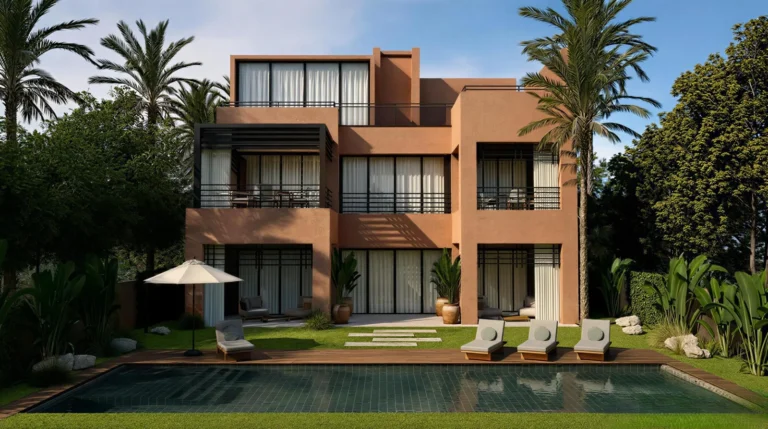
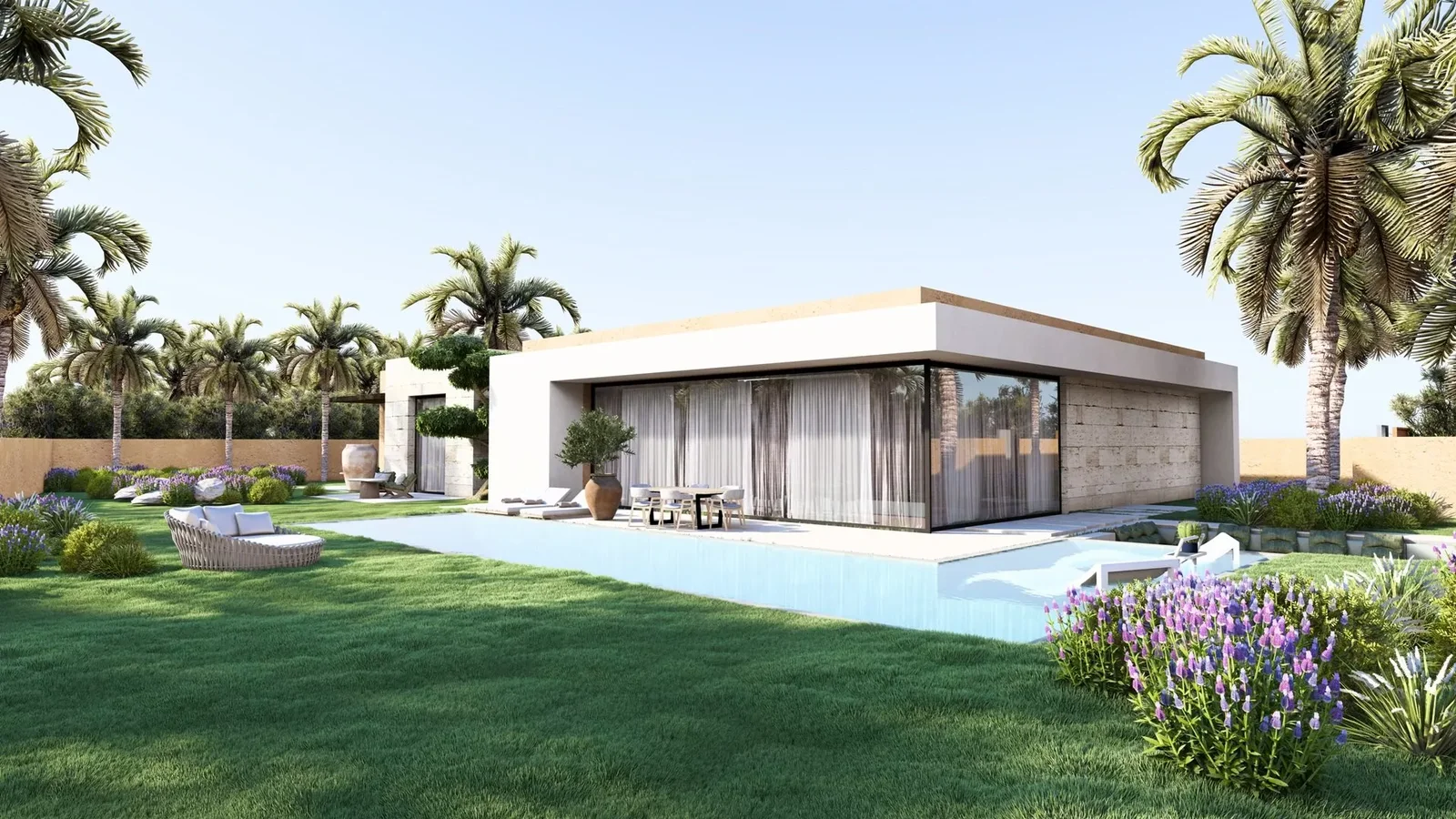
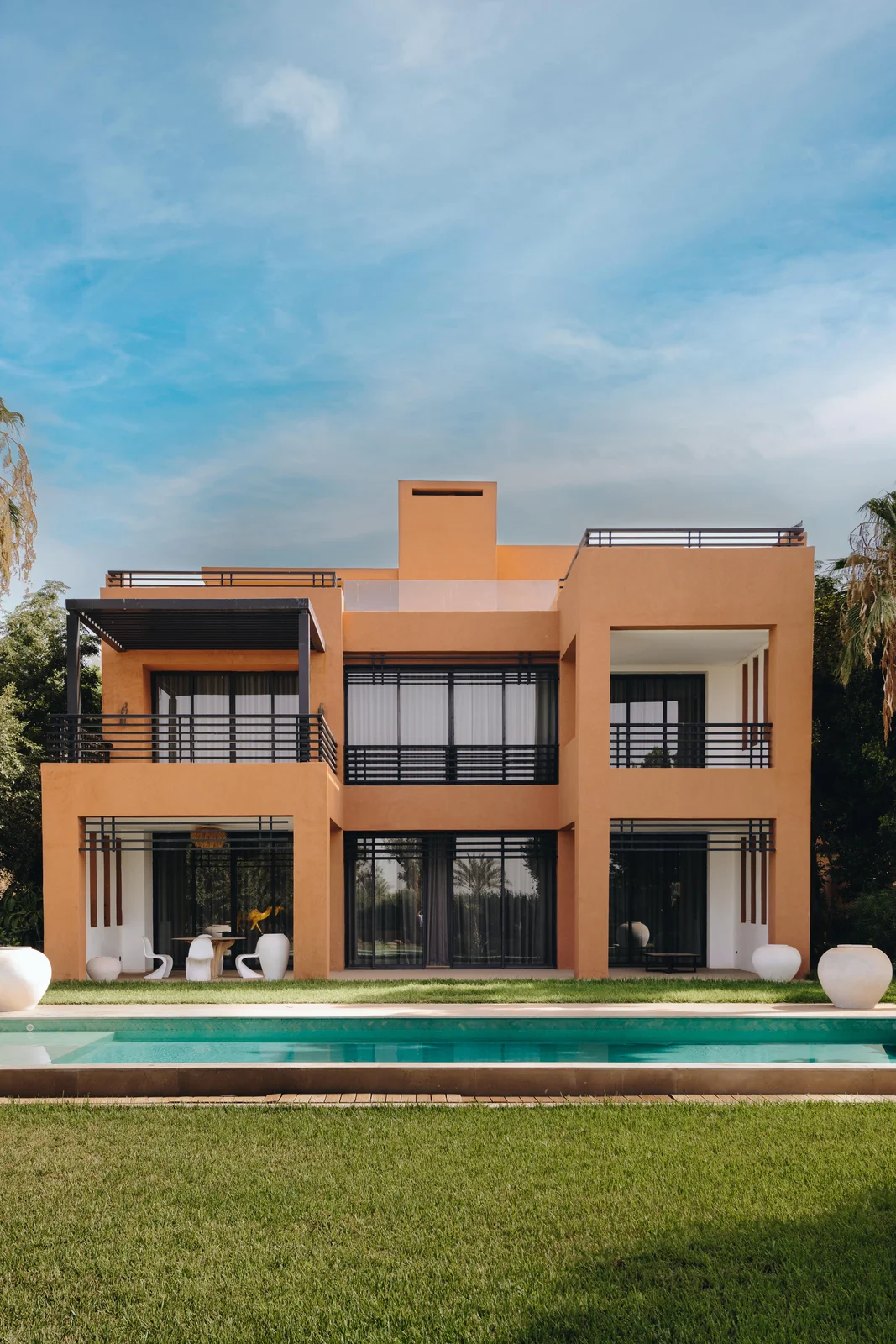
Take any of our villas in Marrakech. Kept for the family, it is a second home. Let through the seasons you are not there, it becomes an asset with an income, and everything that follows changes with it. Understanding the differences between a second home and a let property starts there.
How Morocco and the UAE Tax Second Homes and Rental Properties
The country where the property sits sets the first layer of tax, and Morocco and the UAE could hardly be further apart.
In Morocco, rental income is taxed on the gross rent, before expenses. PwC’s summary of Moroccan income rules sets the rate at 10% where annual rent is below MAD 120,000, and 15% at or above that level. A home kept only for your own use earns no rent, so this tax never arises.
The exit is a different matter. On sale, a Moroccan property gain is taxed at a flat 20%, and the tax can never fall below 3% of the selling price, according to PwC.
The gain is exempt only when the property has been the owner’s principal residence for at least six years. A second home is not the owner’s primary residence, and neither is an investment property. On the way out, both uses are treated the same.
The UAE works on a different principle. PwC’s UAE tax summary states that there is currently no personal income tax in the country.
It also notes that real estate investment income is not counted toward the AED 1 million turnover threshold that brings individuals into the 9% corporate tax. For rental properties held personally, that is one of the clearest tax benefits available to an owner who lets.
Ownership in Dubai can also carry a residency benefit. The UAE government describes a 5-year golden visa route for real estate investors, which blurs the line further. There, one purchase can be a family base, an income-producing asset and a path to residence at the same time. Owners weighing that market can explore our property in Dubai.
Beyond income and gains, recurring property tax and local charges should be confirmed for the specific property before purchase, whichever use you have in mind.
Will Your Country of Residence Tax Rent from a Property Abroad?
It may. Once a property abroad is let, the rent is income, and the country where you are tax-resident can have its own claim on it.
A second home kept purely for personal use earns no rent and creates nothing to report on that side. For many owners, this is the single biggest difference between the two uses, and it sits entirely outside Morocco or the UAE.
Where a double taxation treaty exists between your country of residence and the country where the property sits, it decides which of the two taxes the rent first. The other country then gives relief for the tax already paid, so the same income is not taxed twice in full. Whether a treaty exists, and exactly how that relief is calculated, depends on where you live.
The same question arises on sale. The gain may also be taxable in your country of residence, and a home abroad is rarely the primary residence that residence-country rules tend to protect. For owners who are resident in one country and own in another, this is worth checking early rather than assuming.
What your home country allows as a tax deduction against foreign rent, and whether it recognises a second home for tax purposes at all, also varies. None of it is decided by the property itself. This part of the decision has to be settled with an adviser where you are resident, before the property is let, not after.
The table below sets out where each use is taxed.
| Tax point | Second home (personal use only) | Let property (investment or hybrid) |
|---|---|---|
| Rental income in Morocco | None, as nothing is let | 10% of gross rent below MAD 120,000 a year, 15% at or above |
| Rental income in the UAE | None | No personal income tax |
| Gain on sale in Morocco | 20%, minimum 3% of the price, no principal-residence exemption | The same |
| Rent in your country of residence | Nothing to report | May be taxable, with relief under a double taxation treaty where one applies |
| Gain on sale in your country of residence | Depends on where you live | Depends on where you live; the choice of use does not remove it |
The Morocco and UAE rows follow PwC’s Worldwide Tax Summaries.
Property Management: What Each Choice Asks of You on the Ground
A second home kept for personal use sits empty for most of the year. Upkeep, security, staff and utility bills continue while you are back at your primary home, and none of it is offset by income. The cost of owning it is simply the cost of having it ready when you arrive.
An investment property is an operating asset. Guests arrive and leave, the property has to be turned around between stays, maintenance runs on a schedule, and accounts and compliance follow every booking.
To rent a property well from another country, someone has to be there. That is why management on the ground belongs in the decision from the start, not as an afterthought once the keys are handed over.
Demand is the other half of the letting case. Morocco recorded 19.8 million tourist arrivals in 2025, up 14% on the year before, and the national target is 26 million by 2030. These are national figures rather than Marrakech alone, but they describe the market a let property competes in.
For owners who want the property run as an asset, with income, costs and condition reviewed as a whole, real estate asset management is what turns an absent owner’s property into a managed investment property.
A Second Home and an Investment Property at Once
Many international buyers do not want to choose. They want a few weeks a year for the family and professional letting for the rest. That is the hybrid.
Can a holiday home be both a second home and an investment? Yes. The property is a home when you are in it and an investment home when you are not. What matters is being clear about which rules apply to which part of the year.
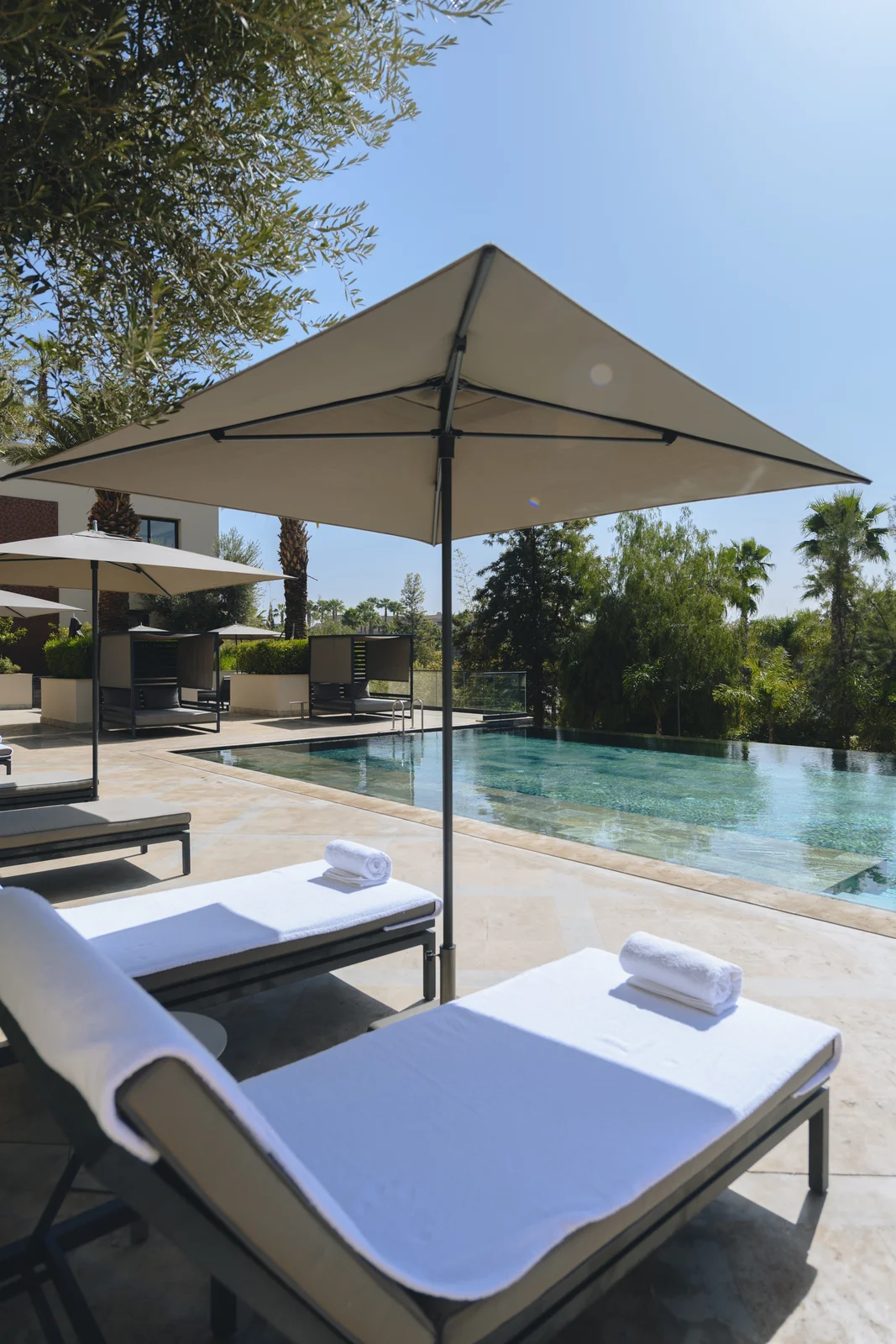
The moment the property is let, even part-time, it starts to work as an investment property, and two things change. In Morocco, the rent is taxed on gross, as set out above. In your country of residence, that rent may need to be reported, subject to any treaty.
One thing does not change: the Moroccan gain on sale is taxed in the same way whether you ever let the property or not.
Running a home and an investment property in one set of walls from abroad depends on a few practical disciplines:
- Block your personal dates well in advance, so the letting calendar can be built around them.
- Appoint one manager for letting, upkeep, staff and accounts, rather than several contacts who each hold part of the picture.
- Keep a clear line between your own weeks and guest weeks, in the calendar and in the accounts.
Keeping a property as a second home while it earns the rest of the year is only as reliable as the team on the ground. That is the role of rental management in Marrakech: the property is ready for you when you arrive and working for you when you leave.
Buying a Second Home or an Investment Property: How to Choose
Is it better to buy a second home or a buy-to-let? Neither is better in the abstract. Whether it should be a second home or investment property depends on the use you will actually make of it, and a few honest questions usually settle it.
Start with time. Count the weeks your family will really spend there each year, not the weeks you hope to. If the number is small, a home that stands empty for ten months is a costly way to hold a few holidays.
Then consider what the property is meant to deliver. If growth alone matters and income does not, buying a second home you enjoy may be enough. If income matters, buying an investment property, or letting a second home, changes the numbers. Yields and the figures to watch are covered in our guide to buying to let in Marrakech.
Your tax residence comes next: where you live, whether a treaty applies with Morocco or the UAE, and what reporting a let would trigger.
The market follows from it. Marrakech offers lifestyle and a letting market fed by Morocco’s tourism growth; Dubai is the market where rental income is not taxed at the individual level. Finally, think about horizon. In Morocco the gain is taxed either way, so a long hold matters more than the label.
Whichever way you lean, the property type and the legal route to ownership apply to both uses. Our guide to buying property in Morocco as a foreigner covers the mechanics, and the wider case is set out in luxury real estate investment in Morocco.
Whether you purchase a second home or treat it as a second home or an investment from the first day, the choice is personal. If you have weighed use, residence and market and want a view on your own case, speak with an advisor.
Deciding What the Property Is For
The second home vs investment property choice is about use. Use sets the tax where the property sits, the questions to settle where you live, and the work the property asks of you. Many buyers land on the hybrid, and the hybrid works only with a trusted team on the ground.
Whichever side of the second home vs investment property line your purchase falls on, that is the shape of the work we do at Originn Properties: advisory before the purchase, the transaction itself, then asset and rental management once the property is yours, across Marrakech, Dubai and Jeddah. Arrange a private conversation about what your property should be for.
What international buyers ask before deciding
Can I change a second home into an investment property later?
Yes. Converting a second home into an investment property is a change of use, not a change of ownership. Once it is let in Morocco, rent is taxed on the gross amount at 10% or 15% according to PwC, and the income may need reporting in your country of residence. The Moroccan tax on the gain at sale applies either way.
Is buying a second home a good real estate investment?
A second home can hold its value, but one kept purely for personal use earns nothing while you are away. Its gain is taxed on sale, at 20% in Morocco according to PwC, and possibly again where you live. Letting the weeks you do not use is what makes a second home work as an asset.
Do I pay capital gains tax when I sell a second home?
In Morocco, yes: PwC sets the tax at 20% of the gain, and never less than 3% of the selling price. The exemption applies only to a property that was the owner’s principal residence for at least six years, and a second home is not a primary residence. Your country of residence may tax the gain too, with treaty relief where a treaty applies.
Do property owners pay tax on rental income in Dubai?
Not for individuals: PwC notes there is currently no personal income tax in the UAE. Real estate investment income also does not count toward the AED 1 million threshold for individuals’ 9% corporate tax. That is why Dubai often sits on the investment side of the second home vs investment property decision.